Hero, pack & motion.
DirectionPremium pack and hero treatments for PDP, web banners and brand-world content.
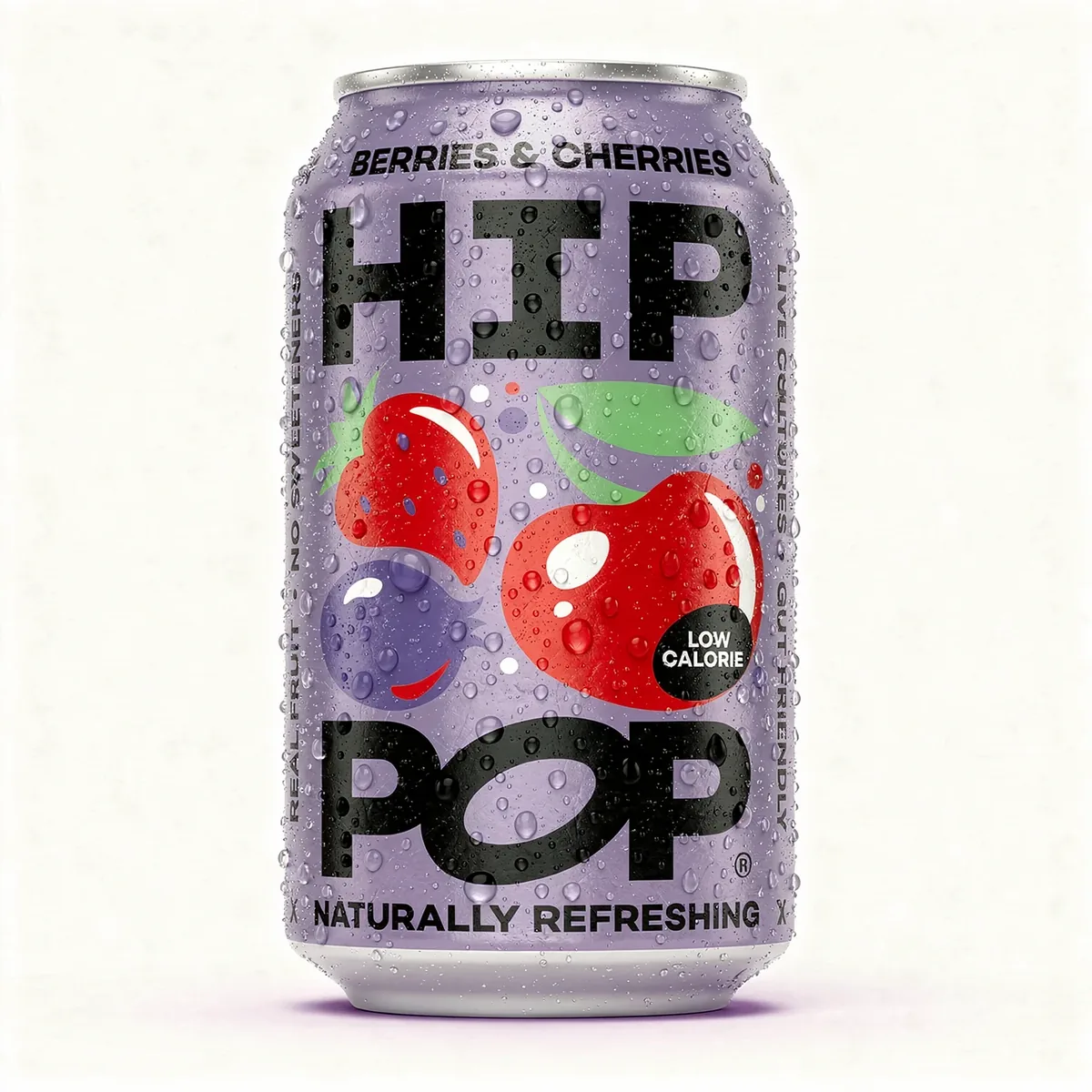
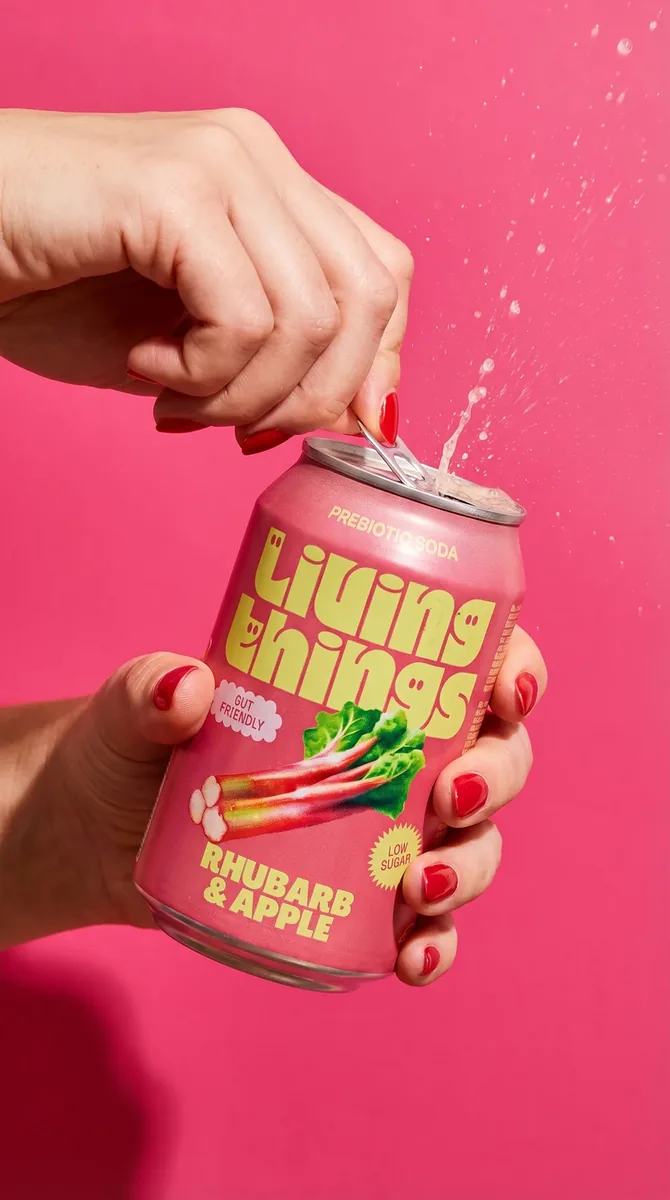
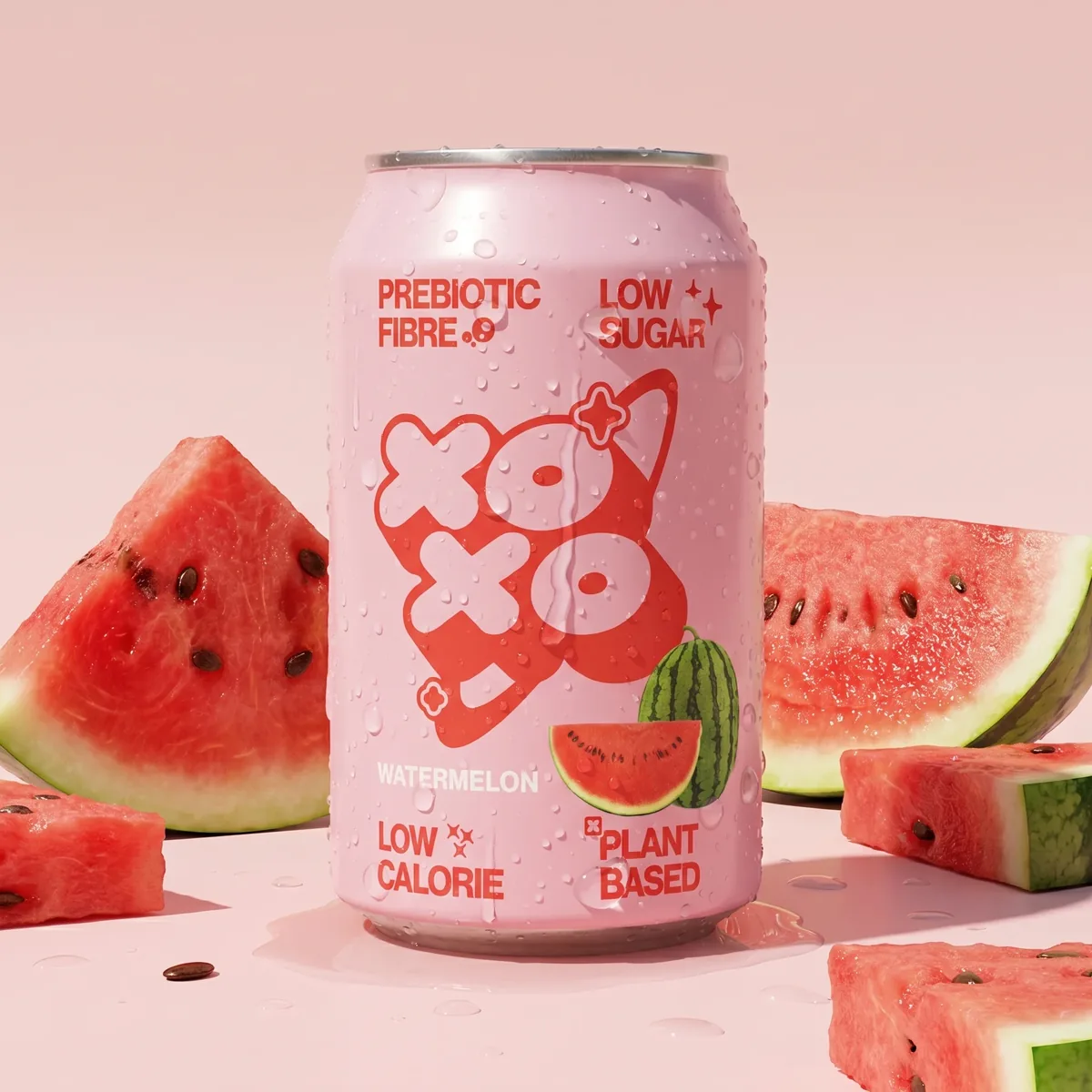
I produce pack-accurate product imagery for challenger food-and-drink brands. From your production artwork, I build everything around one controlled product reference. A photographer’s judgement and controlled AI production do the rest, without reshooting the product each time. Built for founders and marketing leads who need more usable imagery without adding another shoot, another supplier to manage or another round of internal reformatting. You work directly with me from brief to final sign-off.
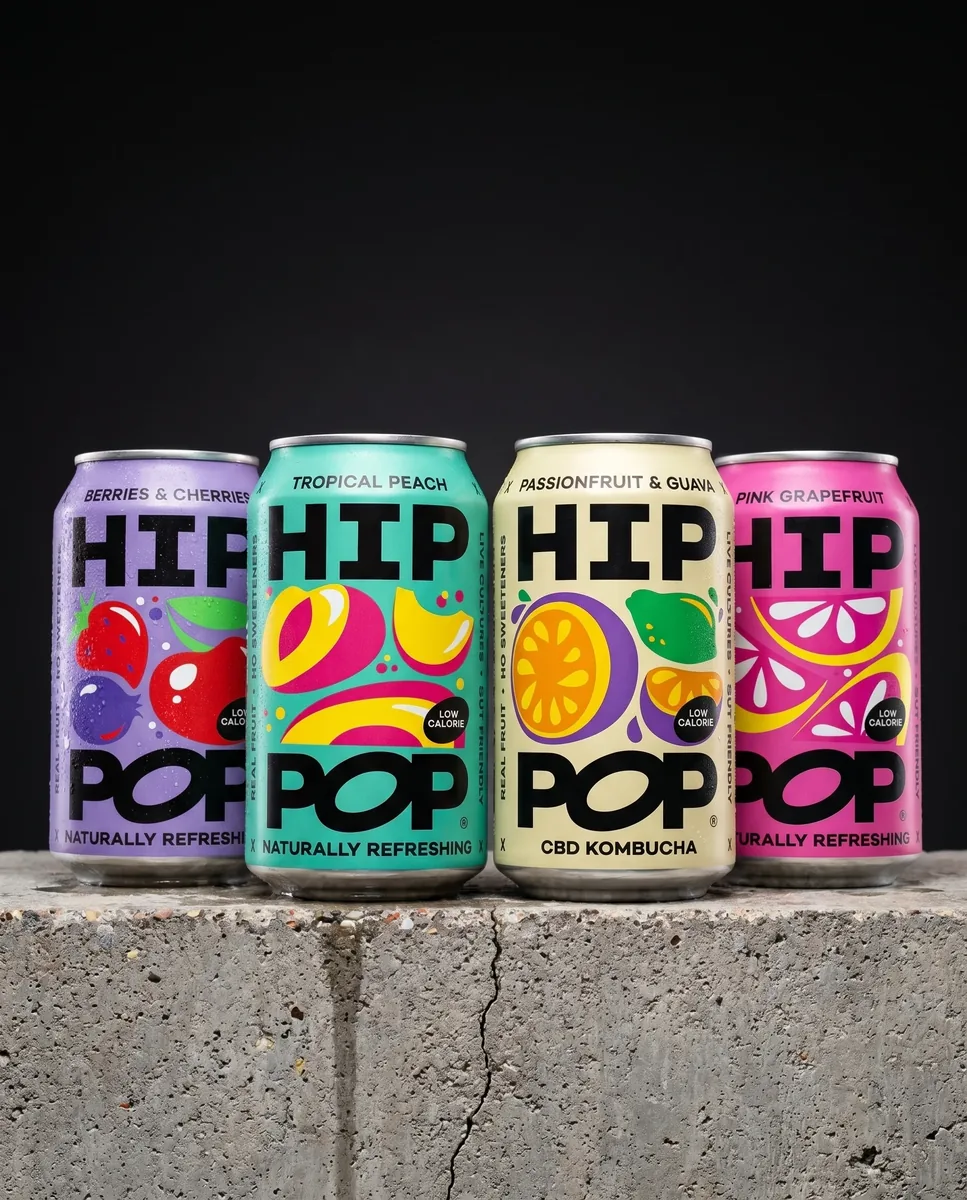
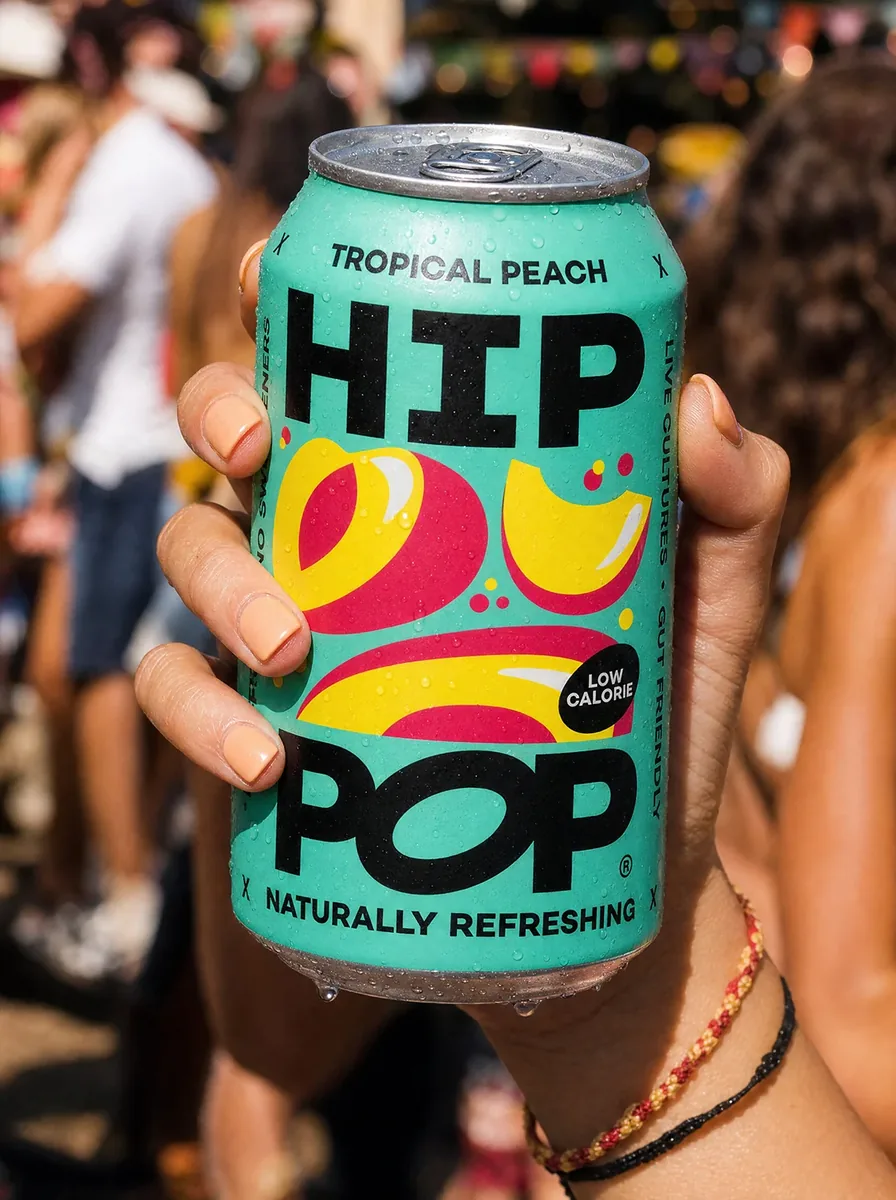
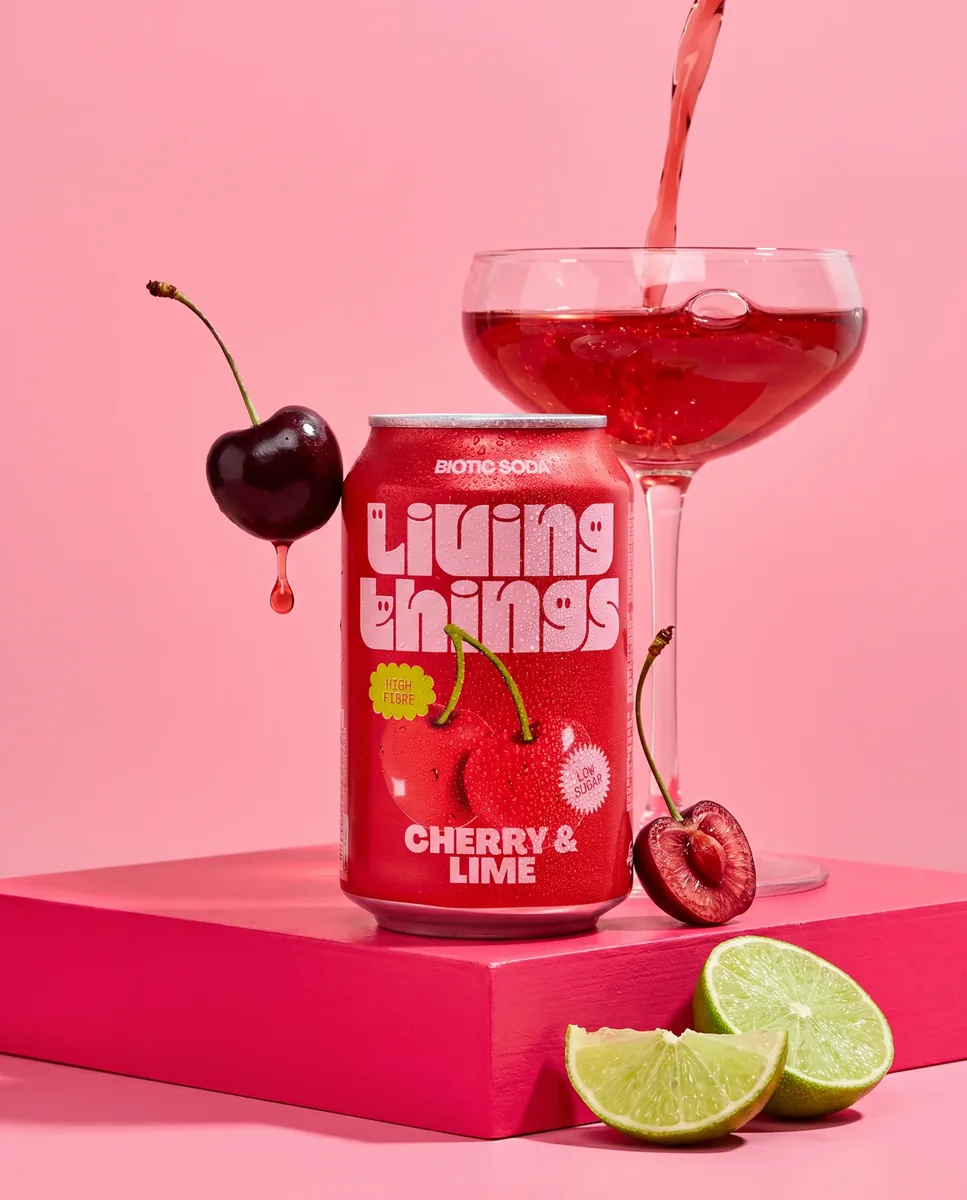
Challenger brands’ images never keep up with the range, and online the brand looks less considered than the product is. That’s the gap closed: launch-ready across DTC, social and paid, built from the pack.
Day1Diet needed their DAILY CORE pouch launch-ready across a new website, social and paid. Working from the pack alone, I built the full image library: packshots, in-hand lifestyle, real use moments. No shoot booked.
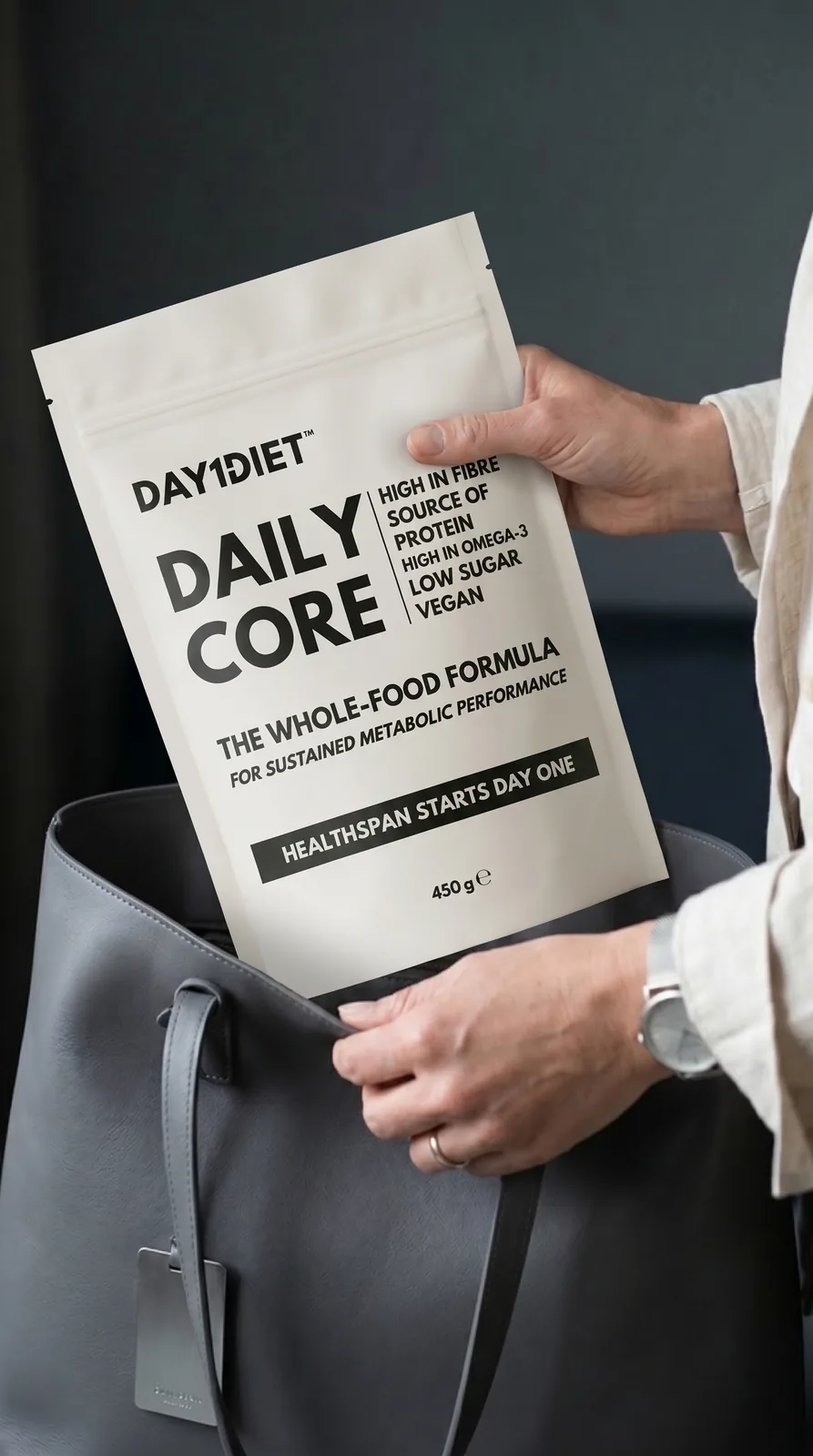
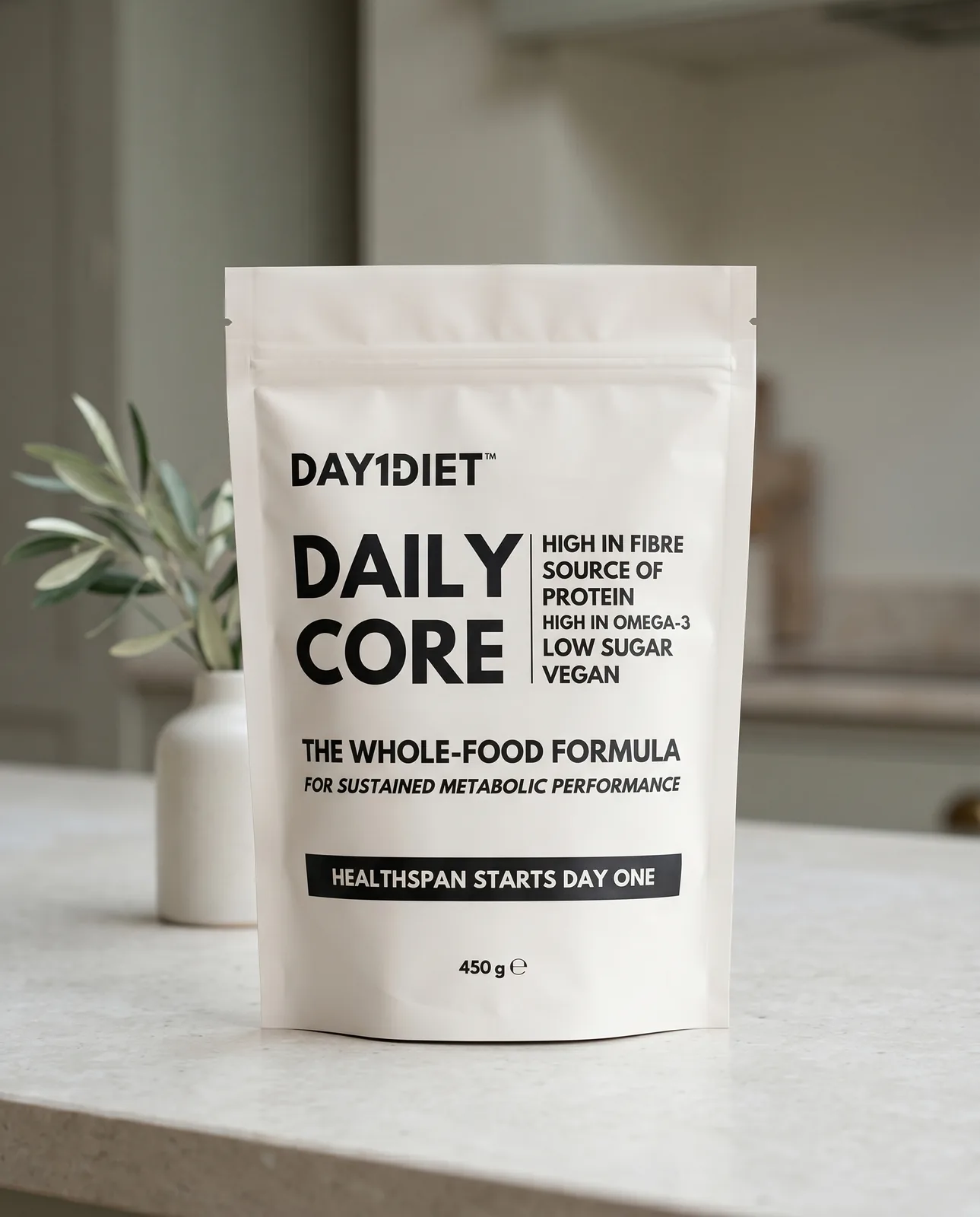
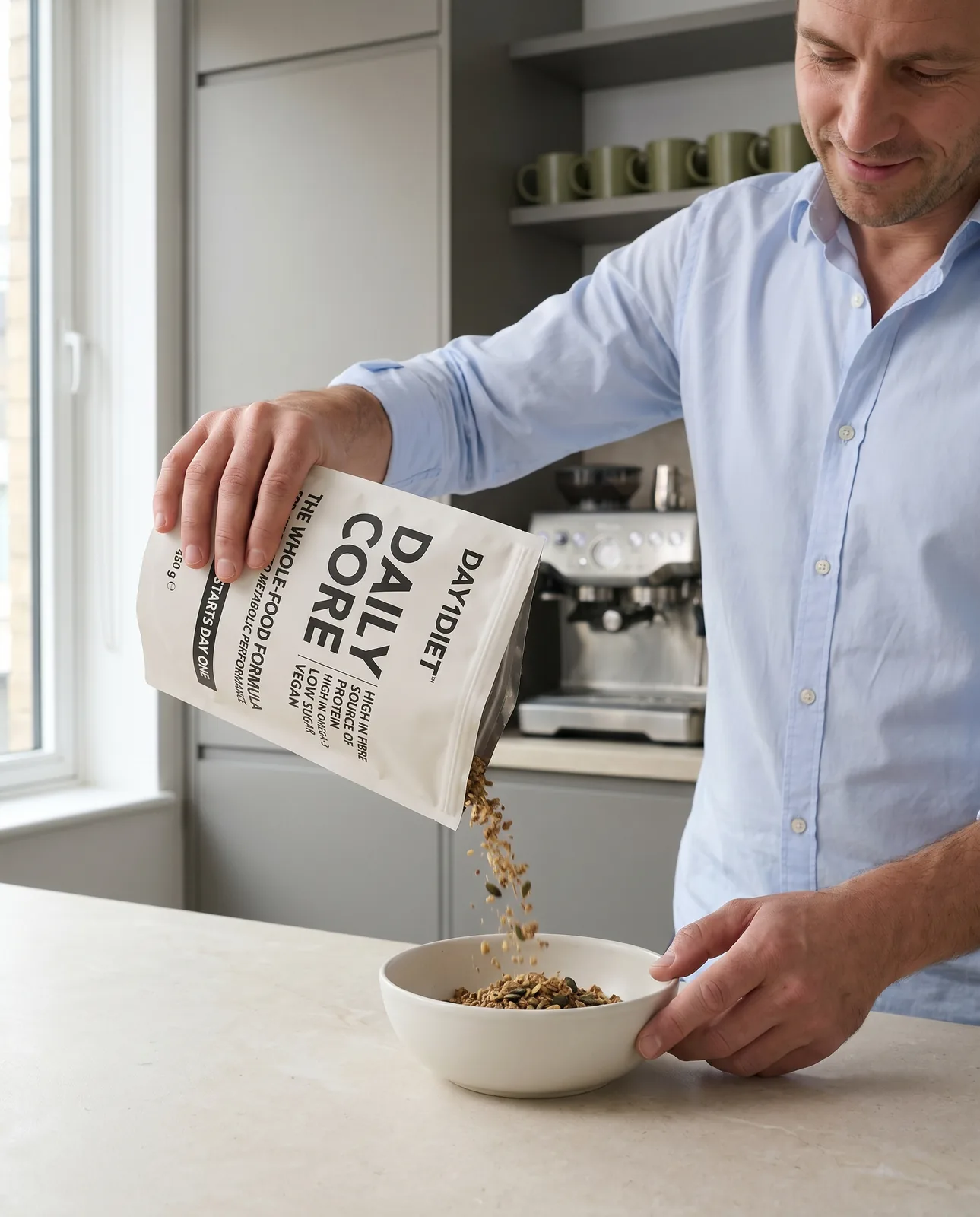
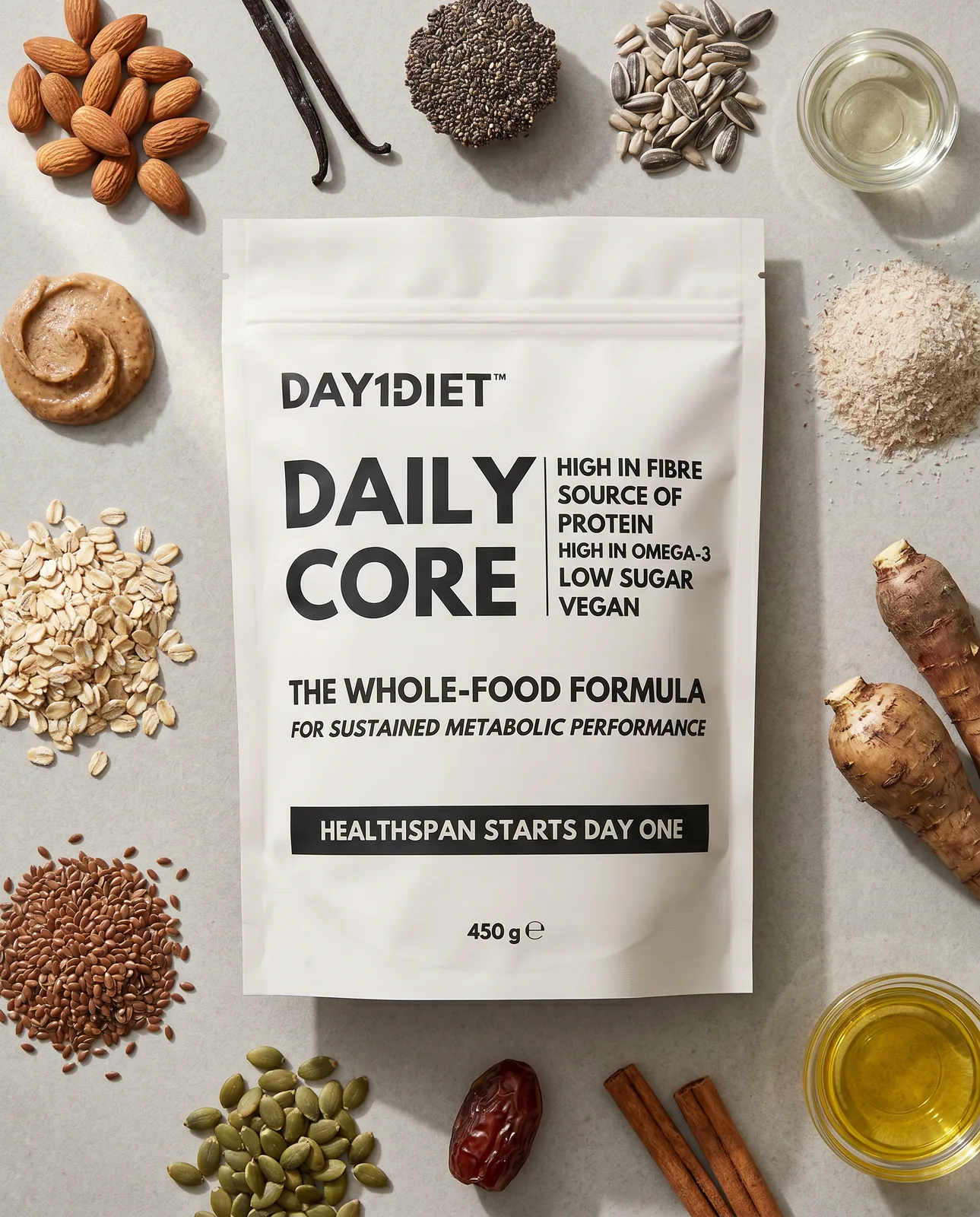
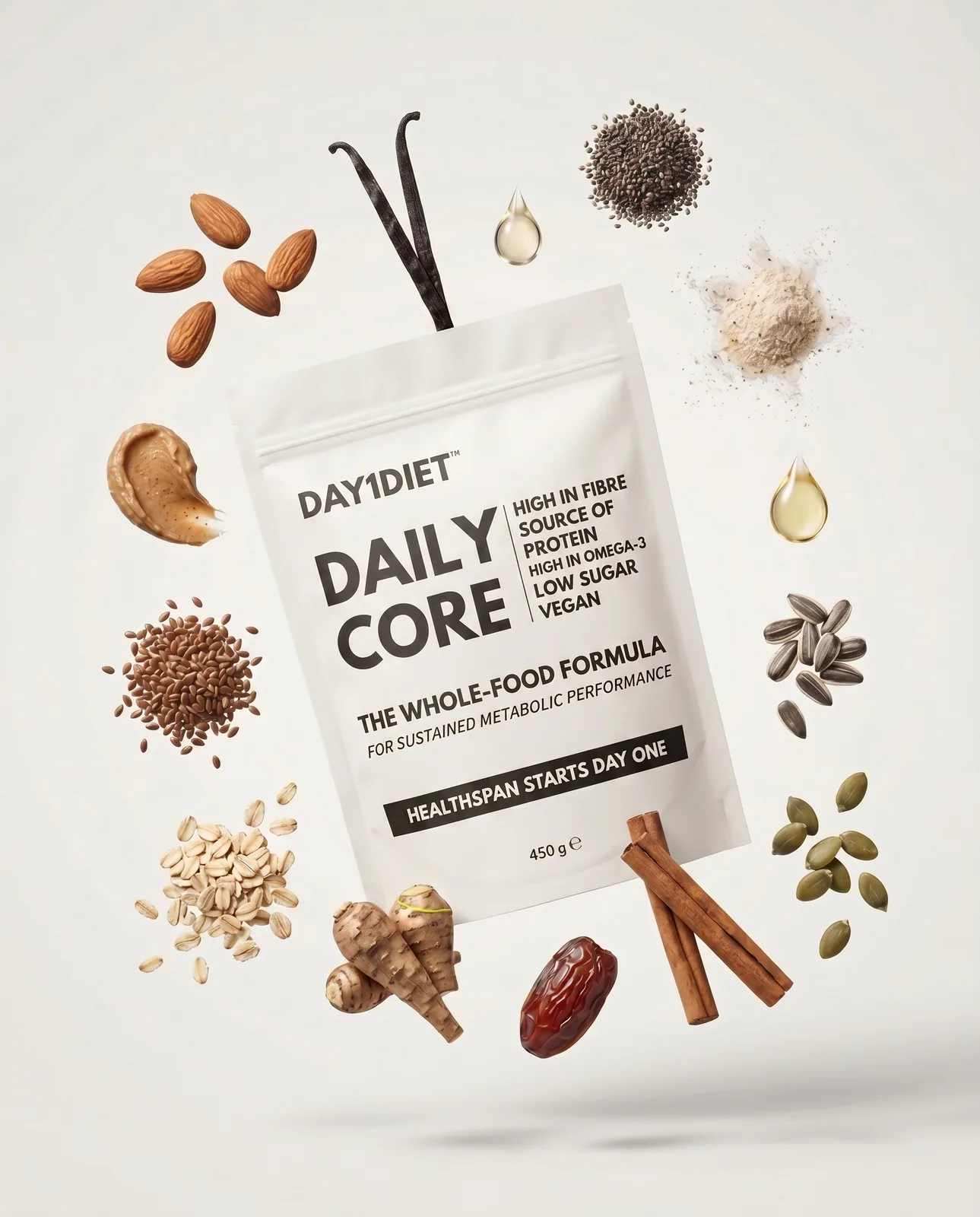
“Before working with Barry, we were looking for a way to present our DAY1DIET DAILY CORE pouch with imagery that matched the quality of the product itself. Barry created beautiful, polished product visuals that gave our brand a far more professional and premium presence online. I would happily recommend him to anyone looking for a photographer who combines creativity, reliability, and great attention to detail.”
 Luca FerraraFounder & CEO, Day1Diet
North Brand brought me into a client launch with little time to deliver: product range, paid social and landing page held to one look, on a date that couldn’t move. I produced and matched the lot, live on the day. Work an agency can hand straight to its own client.
“I brought Barry in for one of our brand launches and he delivered the product range, ad variants and landing page imagery. The client came back with ‘huge upgrade, thank you.’ Our client was happy, so were we. Exactly what I want from someone I trust to represent us.”
 Jake DouglasFounder, North Brand Consultancy
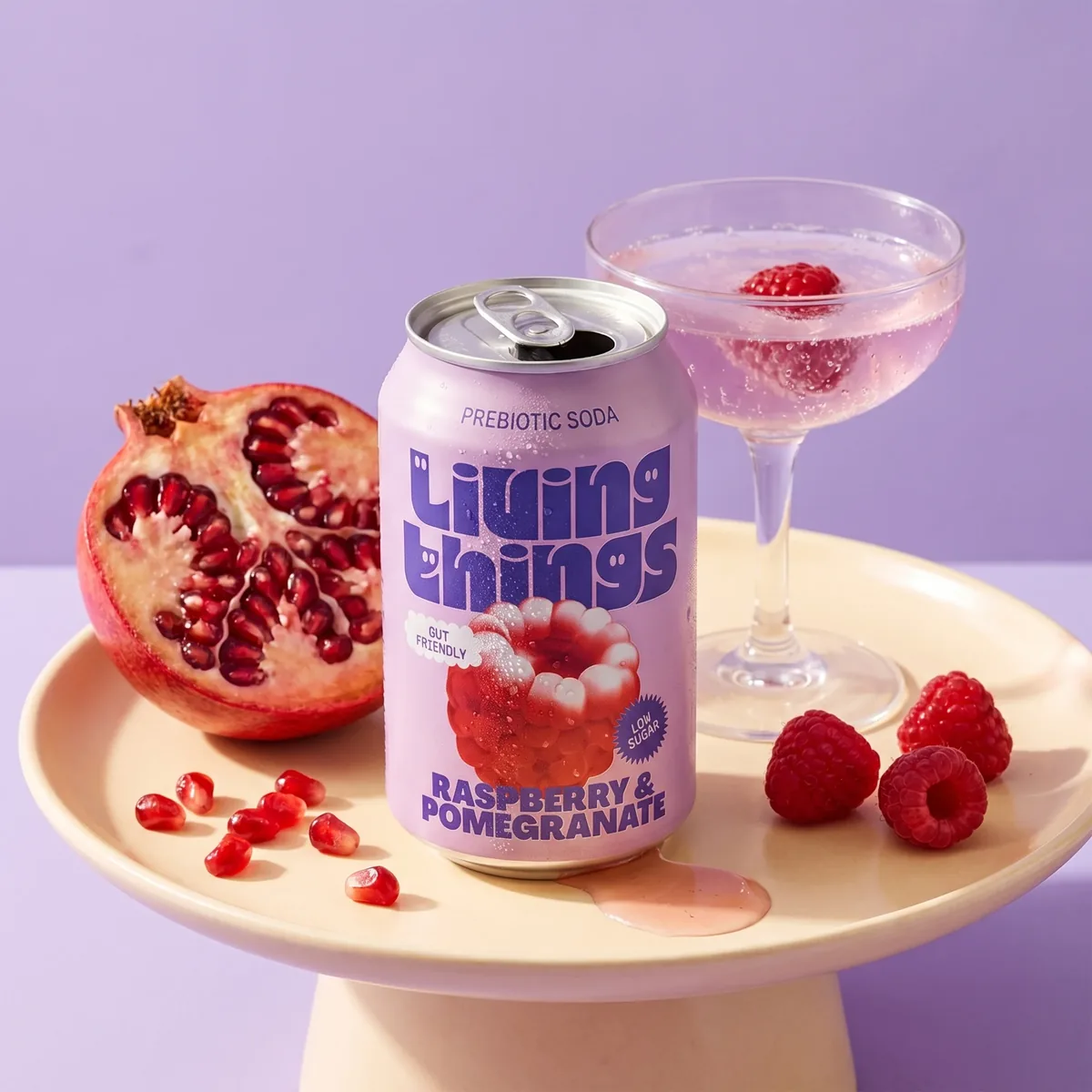
Capability studies, self-built end to end: one locked reference carried across hero and pack, lifestyle, creative variations, full-range consistency and a second category. Click any image and zoom in: label, finish and type hold.
DirectionPremium pack and hero treatments for PDP, web banners and brand-world content.
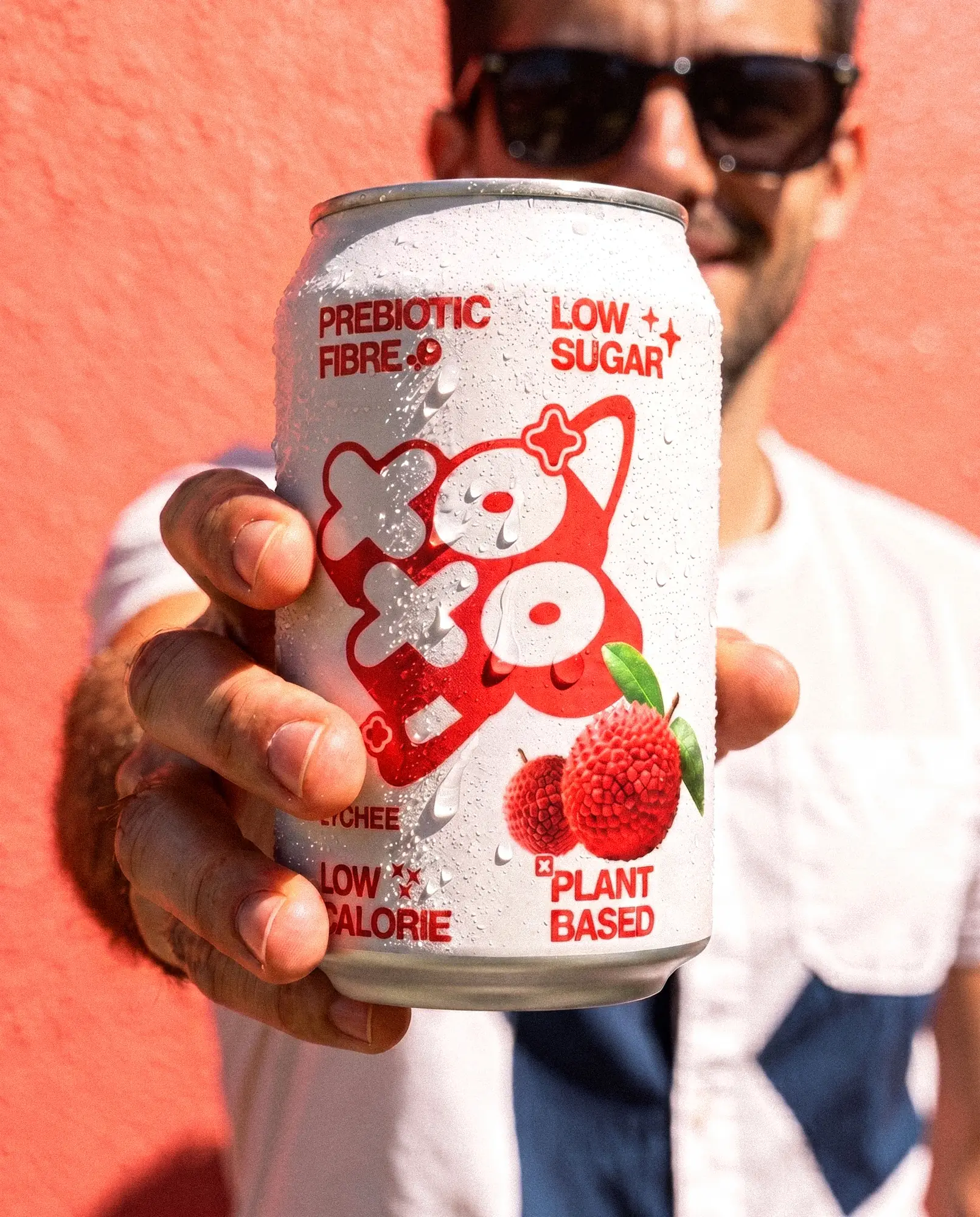
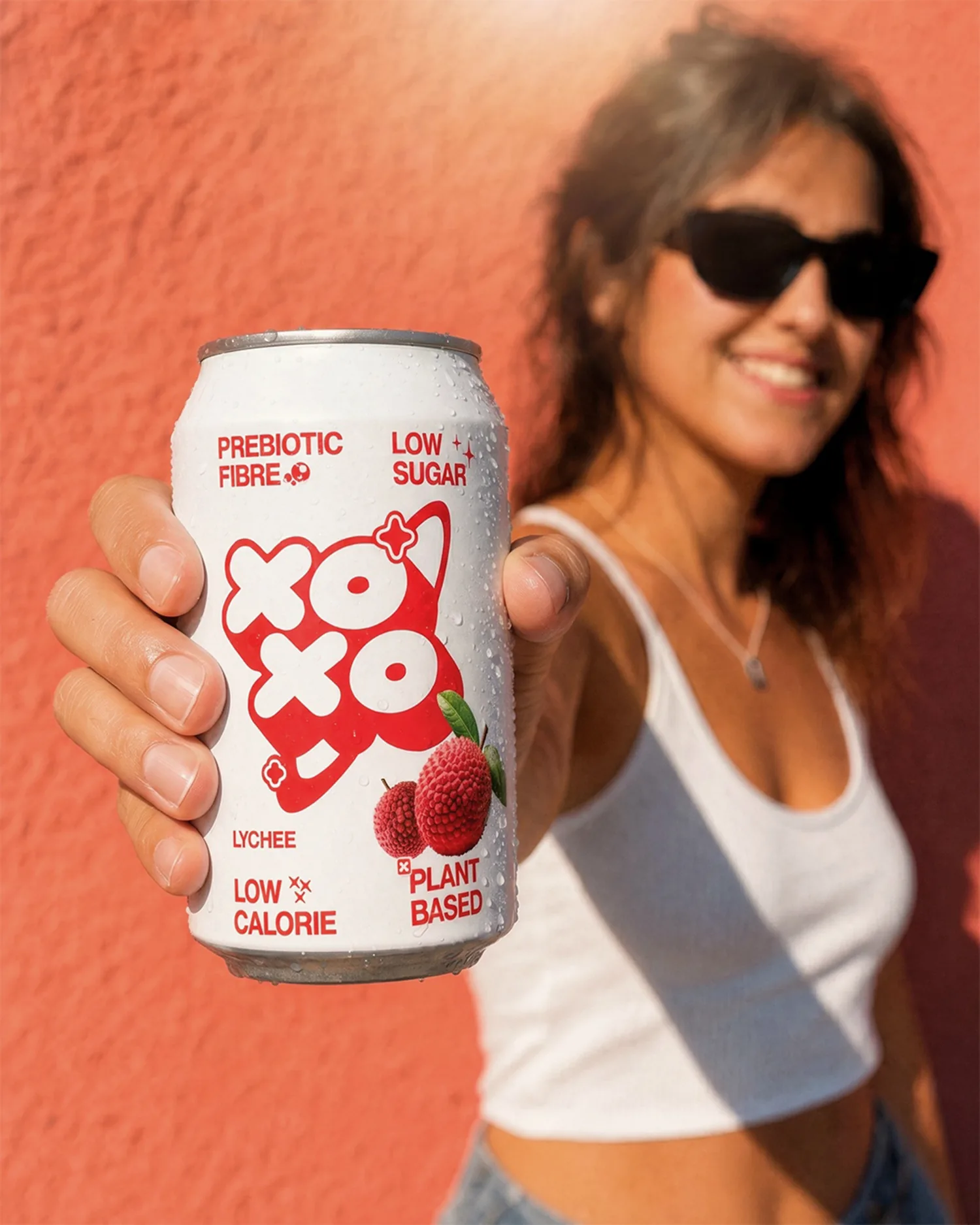
DirectionThe in-hand, in-situ content paid social runs on: no models booked, no location hired.
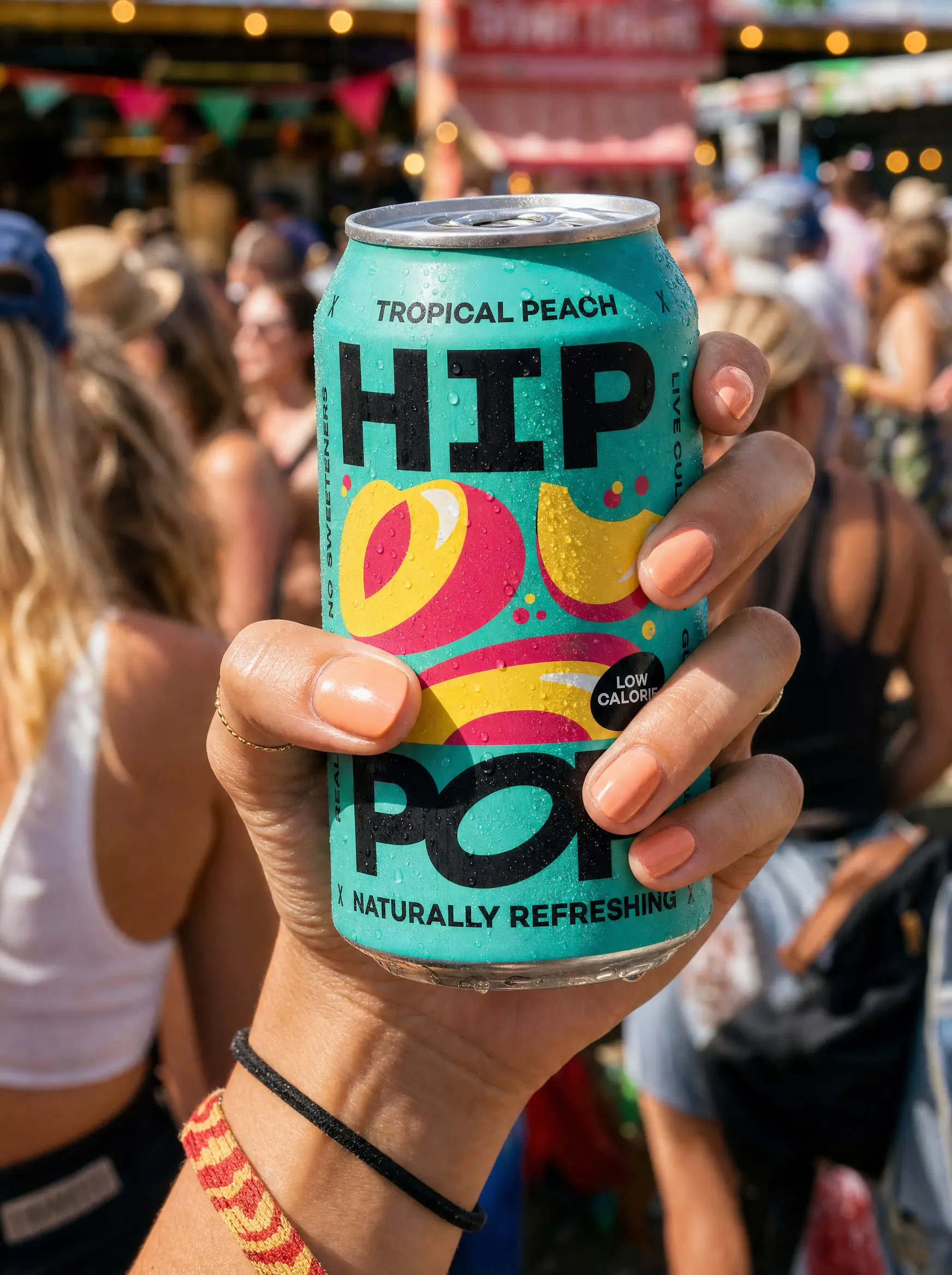
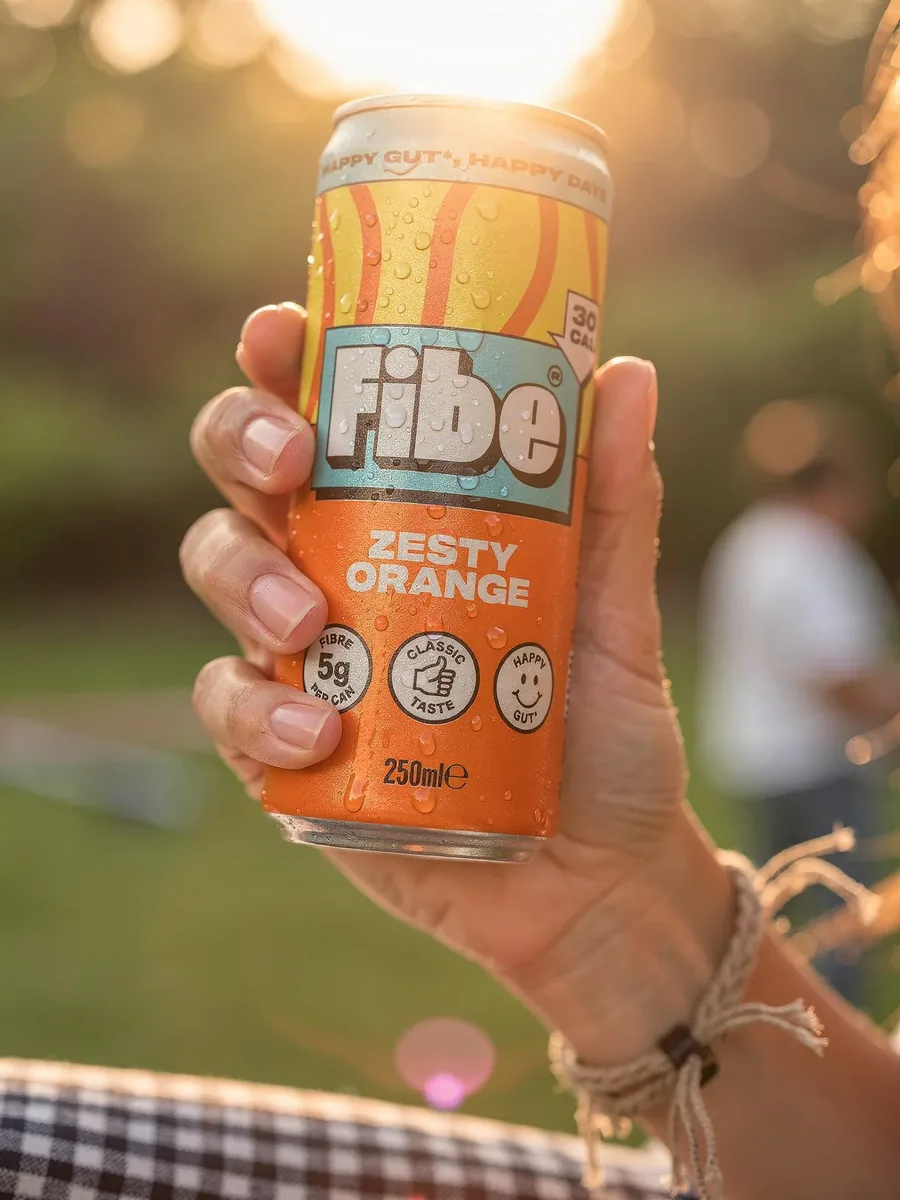
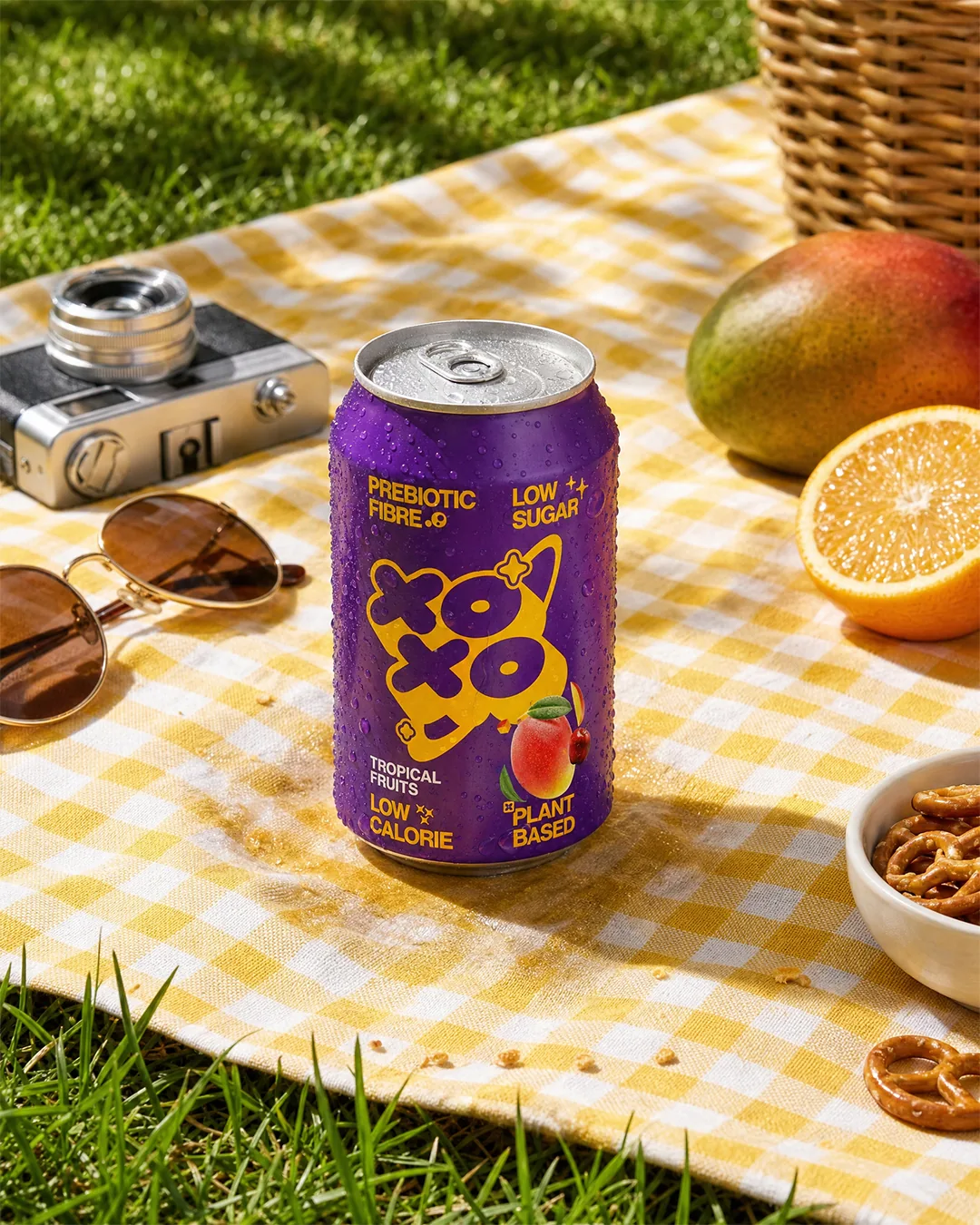
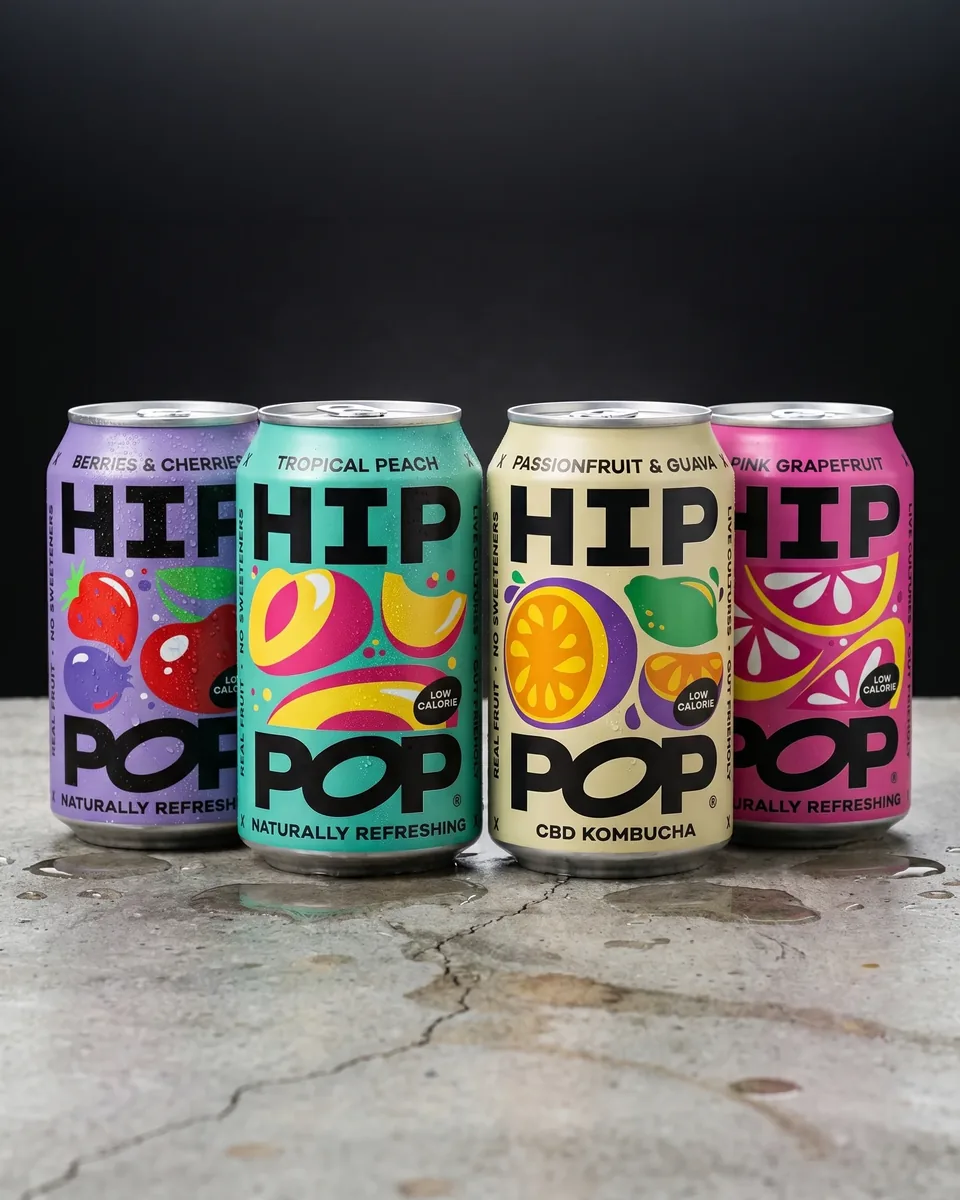
DirectionThe same can, three campaign directions for A/B testing and persona targeting. No reshoot.
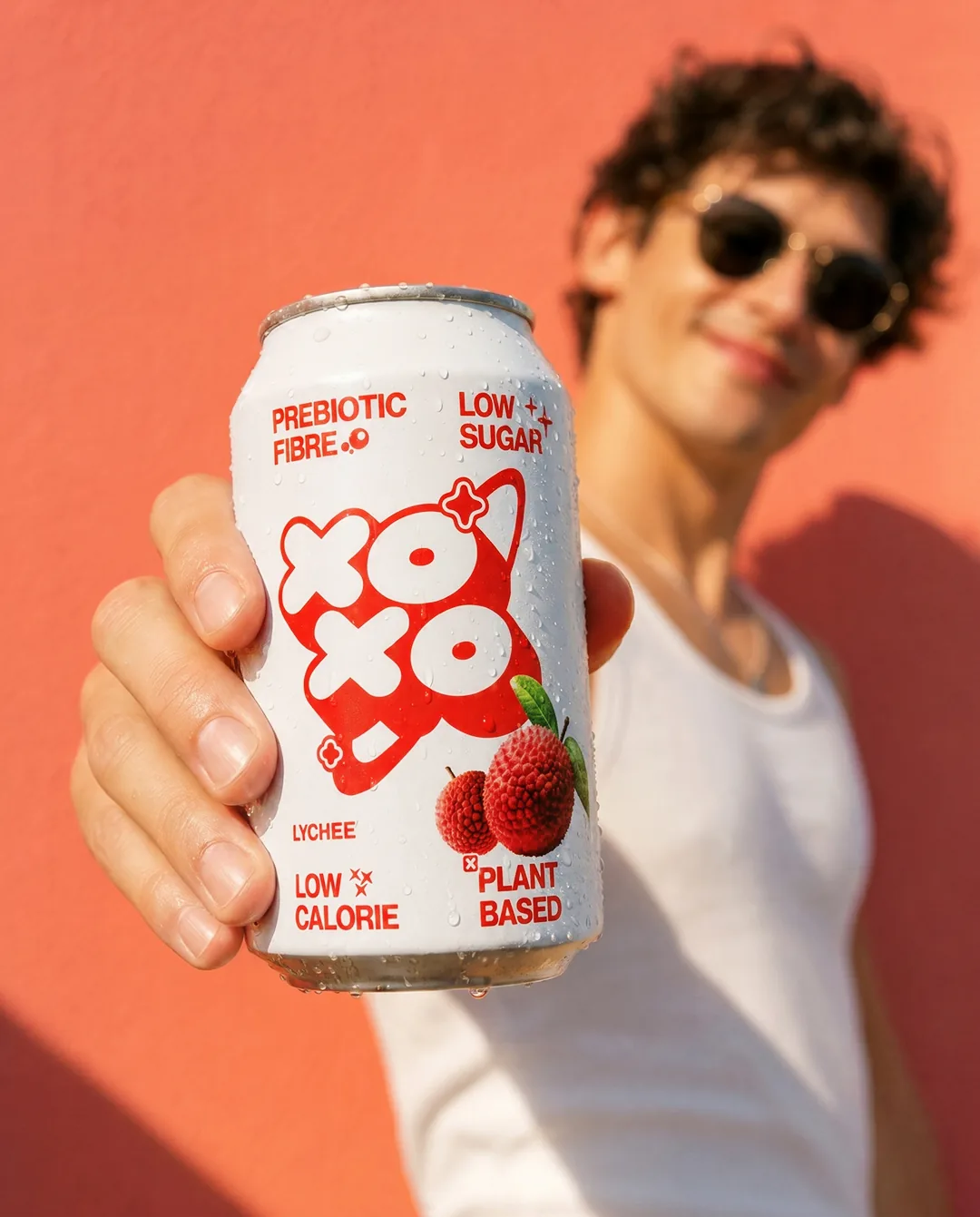
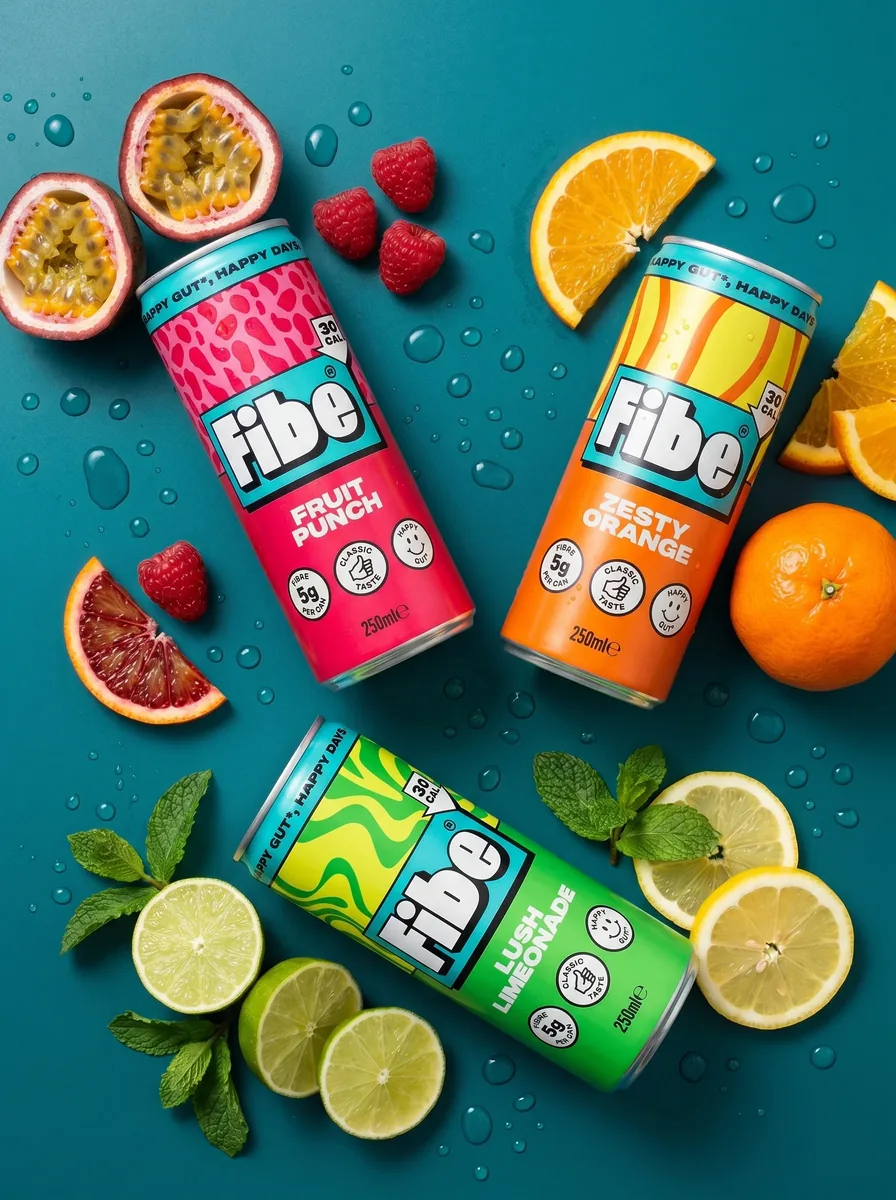
DirectionEvery flavour in one visual system: lineups and flat-lays for retail decks, Amazon and range pages.
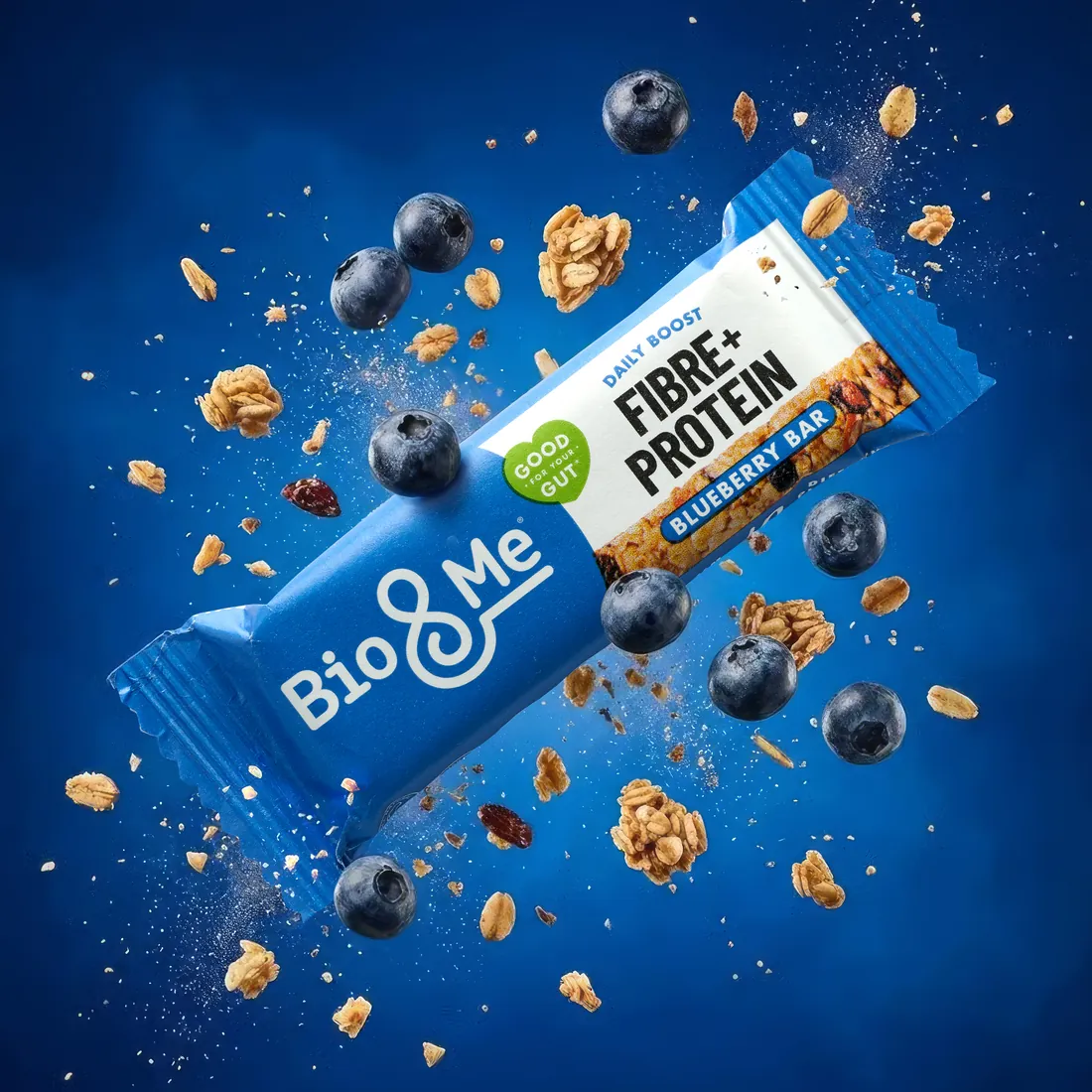
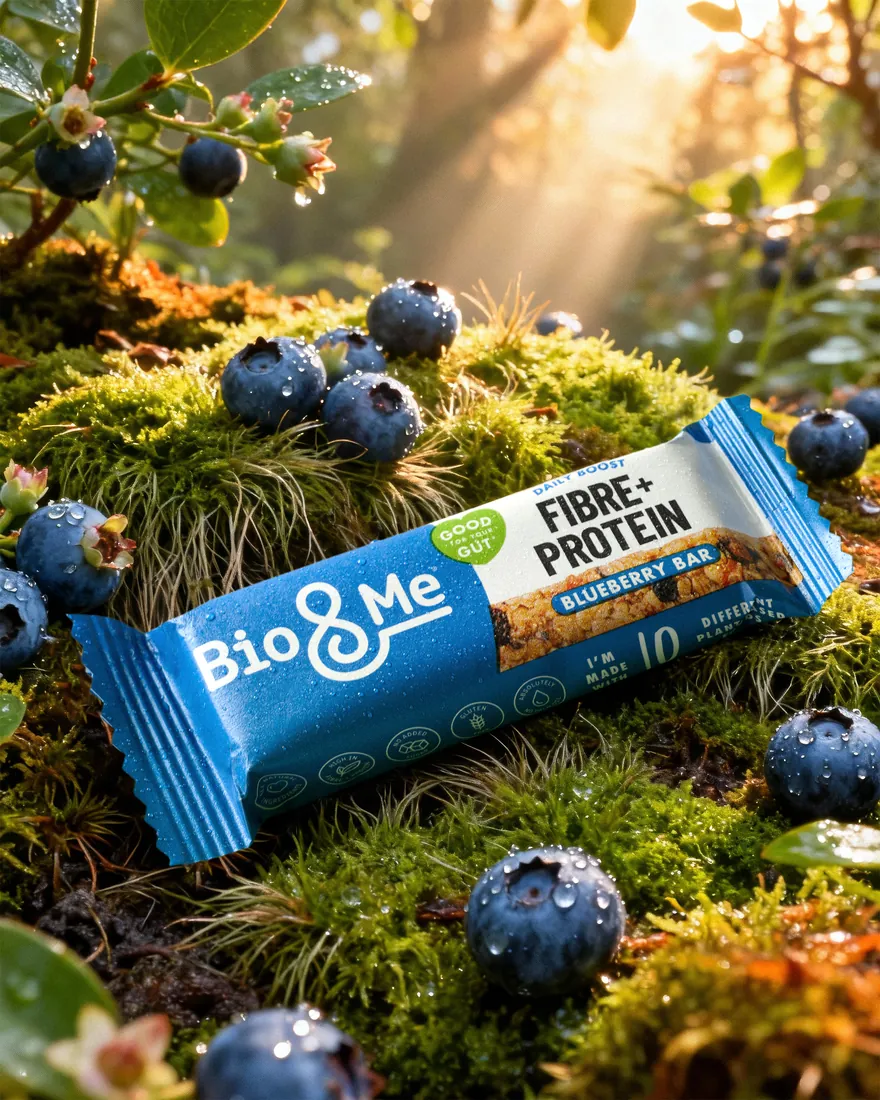
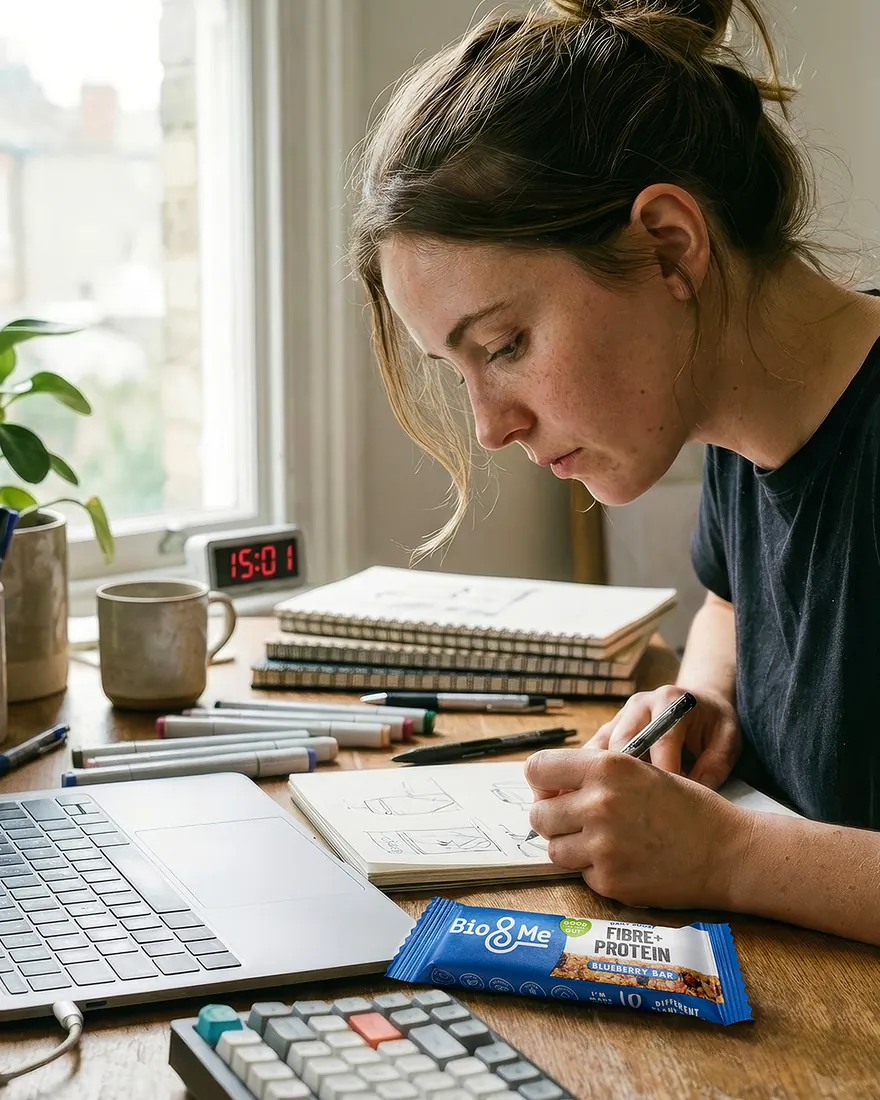
DirectionA gut-health bar through hero, editorial and lifestyle: foil crimp, matte wrap and label type held in every frame.
Repeat shoots, DIY AI tools, or hiring in-house before you’re ready for the headcount. The real question is which source your images are built from, and who’s accountable when one’s wrong. The job: turn your approved packaging into commercially ready, accurate and governed assets, with less cost, delay and management burden.
| Dimension | Barry Phillips Studio · Human-Directed AI | DIY AI Tools | Traditional Photographer |
|---|---|---|---|
| Accountability | Every asset checked against your reference, fixed when it’s off, and signed off before it reaches you | You are the quality gate, on top of everything else | A named professional, answerable for the shoot they deliver |
| Product fidelity | Held to your product’s accurate reference: matte stays matte, labels stay legible | Finishes drift, labels warp, no truth reference | Accurate on shoot day, locked to that setup |
| Creative direction | Brand-led: every image starts from a decision about the brand, not a prompt | Prompt-led: output reflects the prompt, not a strategy | Photographer’s eye on shoot day only |
| Cost as your range grows | One-off: the reference is built once and the repeat shoot disappears; new flavours, formats and channels build from it | Low per image, but you pay it back in hours fixing drift | Linear: every flavour, format and channel costs again |
| Range coverage | Your full library from one brief, ready before the buyer asks | Each generation independent, no system, no consistency | Each new shot = new setup, new cost |
| Speed to launch | First assets in 3 working days of a locked brief | Minutes per image, hours fixing fidelity | Weeks from booking to delivery |
| Brand consistency | One brand across the range: scenes, props and lighting locked | Style varies by prompt, no persistent rules | Consistent within one shoot, drifts between |
| Paid social readiness | Every paid format ready from one production, no last-minute resizing | Single output: you resize afterwards | Crops limited to original framing |
| Retail format packs | Every format from one reference, before the buyer asks | Not built for retail spec compliance | Separate brief, separate cost, separate wait |
| Commercial usage | Usage terms for the delivered assets are set out in writing, with no ongoing royalties charged by Barry Phillips Studio. Any relevant platform or third-party limitations are disclosed before work begins | Depends on each tool’s own terms | Usage often licensed and time-limited |
Every asset above was built from one product’s reference. A managed production service: you brief, I run the system.
We start from your brief: brand guidelines, channels, requirements. From there I build a production plan for the full range, every format and crop planned from the start.
I lock your product’s fixed properties (geometry, measurements, colour, finish, label artwork) from the final production artwork your packaging is printed from, with the physical product as backup. Matte stays matte, foil reads as foil, every label stays true. Where a channel has its own rules (Amazon’s main-image spec, a retailer’s mobile-ready hero), the asset is built and verified to that spec.
I direct AI-enabled workflows to extend that reference into lifestyle scenes, hero treatments and retail-ready formats. Every asset lands ready to use, with no reformatting on your side.
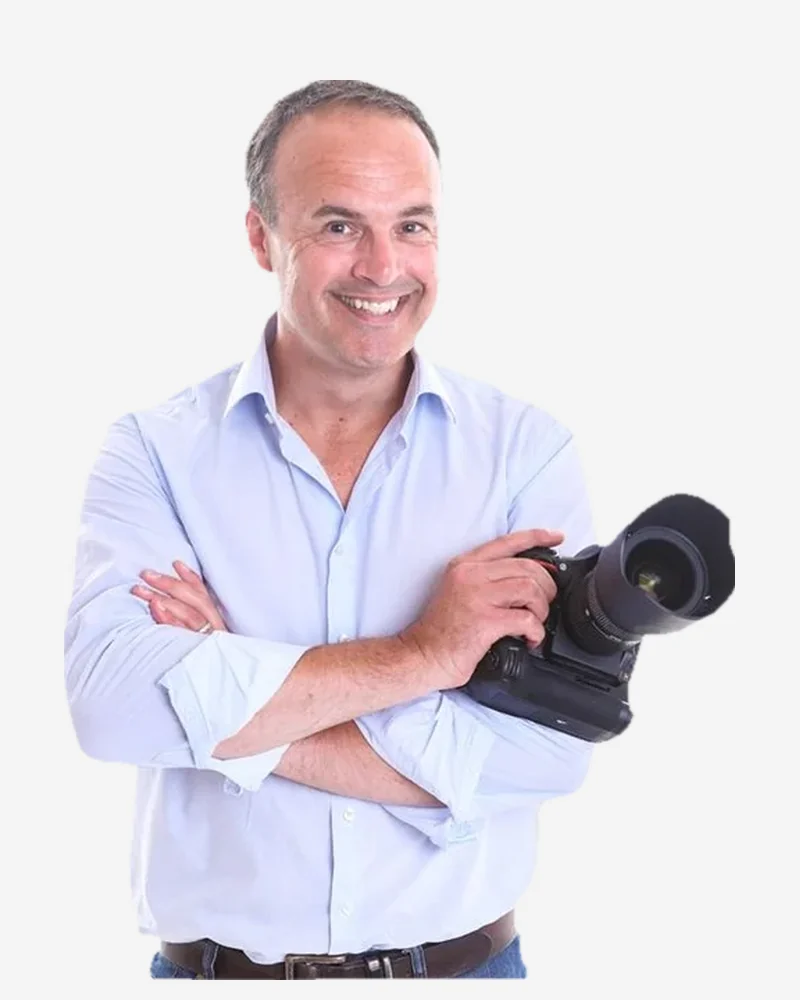
I ran a traditional commercial studio, shooting CPG products. I know what it costs to light a bottle properly, and to build and tear down a physical set six times in a day.
I also watched challenger food and drink brands (especially functional and better-for-you ranges) get squeezed: ranges growing faster than content budgets, every new product meaning another shoot day, every campaign running the same two creatives until they stop working.
I still make the calls a photographer makes: light, composition, what makes a pack sell.
I just stopped building a physical set to do it. Learning to direct these tools took years, and that’s the part that’s hard to copy. I lock an accurate reference of your product and direct AI-enabled workflows to build from it, so the pack stays true and the range reads as one brand.
Built for the founder watching the brand grow faster than the content can keep up, and the marketing lead carrying that backlog day to day.
You work directly with me. No handoffs. The person you talk to before you commit builds the reference, directs the production and signs off every file.
The eye comes first. The tool comes second.
— Barry Phillips, AI Product Photographer
One product. One clearly defined project.
For a product launch, retailer or Amazon listing, website refresh or paid campaign. I build a focused set of pack, hero and lifestyle imagery from one approved product reference.
Your bestsellers built together and extended across DTC, Amazon, retail decks and paid, every product reading as one brand.
For clients whose first project has proved the system. Each month, an agreed count of fresh scenes and paid-social variants across your best sellers, held to your reference, so the work selling for you never goes stale.
The repeat shoot disappears: the reference is built once, and every new flavour, format and season builds from it.
Your time goes to growing the brand.
New flavour launches ship with a full asset library, not one hero.
A full rotation of paid-social variants from one production: test what works.
New products drop straight into the visual system already built.
DTC homepage, Amazon listing, retailer PDP: all match, from one brief.
One production, priced to the range, instead of a shoot invoice per flavour.
Your authenticity lives in the product: the recipe, the pack, the story. The imagery’s job is to protect how it shows up: geometry, colour, finish and label held true everywhere it sells. And where a brief genuinely needs a real camera, I’ll say so before it ships.
It can. In the UK an image that implies a health outcome can be read as a claim, and the ASA now monitors ads proactively. So every brief works from your pack and approved claims, and never implies an outcome your label doesn’t carry. If a scene strays into implied-claim territory, I flag it before it ships.
The giveaway with AI images is the label: warped type, a logo that’s nearly right. Your label isn’t generated: it’s your own print artwork composited onto the pack, exact down to the letterform, and everything around it is held to an accurate reference of the product. Pinch, zoom and read the label. And if a brief genuinely needs a camera, I’ll say so before it ships.
Most AI work is made image by image, so every new set relearns your brand and lands a little different. Here every image is built from one locked reference of your product (same geometry, colour, finish and label every time), so the fiftieth asset matches the first.
You can. What typically happens: labels warp by the third generation and you spend more time fixing outputs than briefing them. The gap isn’t access to the tools; it’s controlled, commercially usable output, which existing skills and workflows can’t reliably deliver. Prompting was never the hard part; the directing is.
And a tool can’t be answerable when an image is wrong. I produce against your brief, check every asset against the real pack, sign it off, and own the fix.
When the brief genuinely needs it: named talent with likeness rights, live event or location capture, strict legal sign-off on real people, or a product whose surface does the selling: cut glass, polished chrome, a real cooked dish. Where a retailer’s strict “actual product” bar makes a verified capture safer for the main image, I’ll flag it before it ships. That’s a traditional shoot’s job, and it’s available as an add-on.
The creative direction: the brand-led concept, the scene-building, and a trained eye for light, colour, texture and composition. You’re paying for the judgement of which image actually sells, and a production approach that scales without rebuilding from scratch. The tools are the instrument; the direction is mine.
Yes. Your agreement grants you broad commercial usage of the final delivered assets for the channels and purposes set out in the project scope, including paid social, DTC, Amazon, retailer listings, email, pitch decks and print where agreed. Barry Phillips Studio does not charge ongoing royalties for that agreed use.
Working files remain with me. Because AI-platform terms and the legal treatment of AI-assisted work can change, I do not describe the outputs as carrying unrestricted ownership in every territory. Your written agreement sets out the usage being granted and identifies any relevant platform or third-party limitation before work begins.
A locked record of your product’s fixed properties: geometry and exact measurements, colour and finish, label artwork. I build it from the final production artwork your packaging is printed from (typically a press-ready PDF or vector), supported where needed by the physical product. Once locked, every image is held to it. Often there’s nothing to ship: your production files are usually enough.
It doesn’t reach you. Matching your product is the spec every asset is built to; anything that doesn’t match isn’t shipped. You only ever see the ones that do.
A short Discovery Call, or a brief through the form. From there I align scope, formats and timeline, lock your product’s reference, and the library builds out.
Your brand guidelines and a clear sense of your product and range. Mood boards and channel requirements help shape the brief.
First assets within 3 working days of a locked brief.
One round per engagement, at no extra cost. Because every asset is checked against your reference first, the first delivery is usually production-ready.
Yes. NDA signed before any work begins. Your packaging, unreleased products and brand assets are kept confidential.
Yes. Packshots, hero and lifestyle imagery for food and drink brands, built through AI-enabled workflows from one accurate reference and extended across DTC, Amazon, retail and paid, to a commercial product photographer’s standard.
Projects start from £495 (excl. VAT at 20%), one SKU through the complete process, listing-ready. Beyond that, engagements are scoped to your range, channels and timeline: a short Discovery Call, then a written proposal.
Two ways to begin: the Discovery Call confirms fit; the brief form collects your scope, timeline and brand context.